Why Choose Fairport for Sustainable Skip Refurbishment
Why Refurb?
Reusing metal is a huge part ofthe circular economy! Helping to conserve natural resources, reduces energy consumption, and minimises environmental damage from mining. Recycling metal reduce, and metals like such as steel can be recycled repeatedly without losing their properties, making them incredibly valuable resource.
Additionally, recycling steel reduces the need for mining iron ore and coal—two processes that contribute heavily to greenhouse gas emissions. By reusing scrap steel, we cut down on energy use and emissions while conserving natural resources.
Reusing steel is a powerful way to cut carbon emissions! The production of virgin steel is incredibly energy-intensive and releases a significant amount of CO2. However, reusing steel uses 75% less energy and can reduce CO2 by 90% than making new steel from raw materials, dramatically lowering its carbon footprint.
Branding is incredibly important part of how potential customers perceive a business. A strong brand helps build recognition, trust, and loyalty among customers. It differentiates a company from competitors, creates emotional connections, and influences purchasing decisions.
Branding isn’t just about logos and colours—it’s about the overall identity, values, and messaging that make a business stand out. Utilising all your assets such as waste containers to advertise your brand is great tool. Especially as they are often onsite for long periods. A well-maintained container can acts as a bill board displaying your brand and vital contact details.
Safety in waste management is crucial to protect workers, the public, and the environment. Proper protocols help prevent accidents and exposure to hazardous materials.
The waste industry is one of the most hazardous sectors, with a high rate of workplace injuries and fatalities. In the UK, waste management and recycling rank among the most dangerous industries, second only to agriculture. Despite improvements, the industry still sees a significant number of fatalities. In 2022-23, six deaths were recorded in the UK waste sector, a sharp increase from the previous year
Key risks include
Falls from height
A leading cause of fatal injuries, often due to inadequate safety measures.
Moving vehicles
Workers are at risk of being struck by collection trucks and machinery.
Hazardous materials
Exposure to toxic substances, sharp objects, and biological waste can lead to serious health issues.
Heavy machinery accidents
Equipment used in waste processing can cause severe injuries if not handled properly.
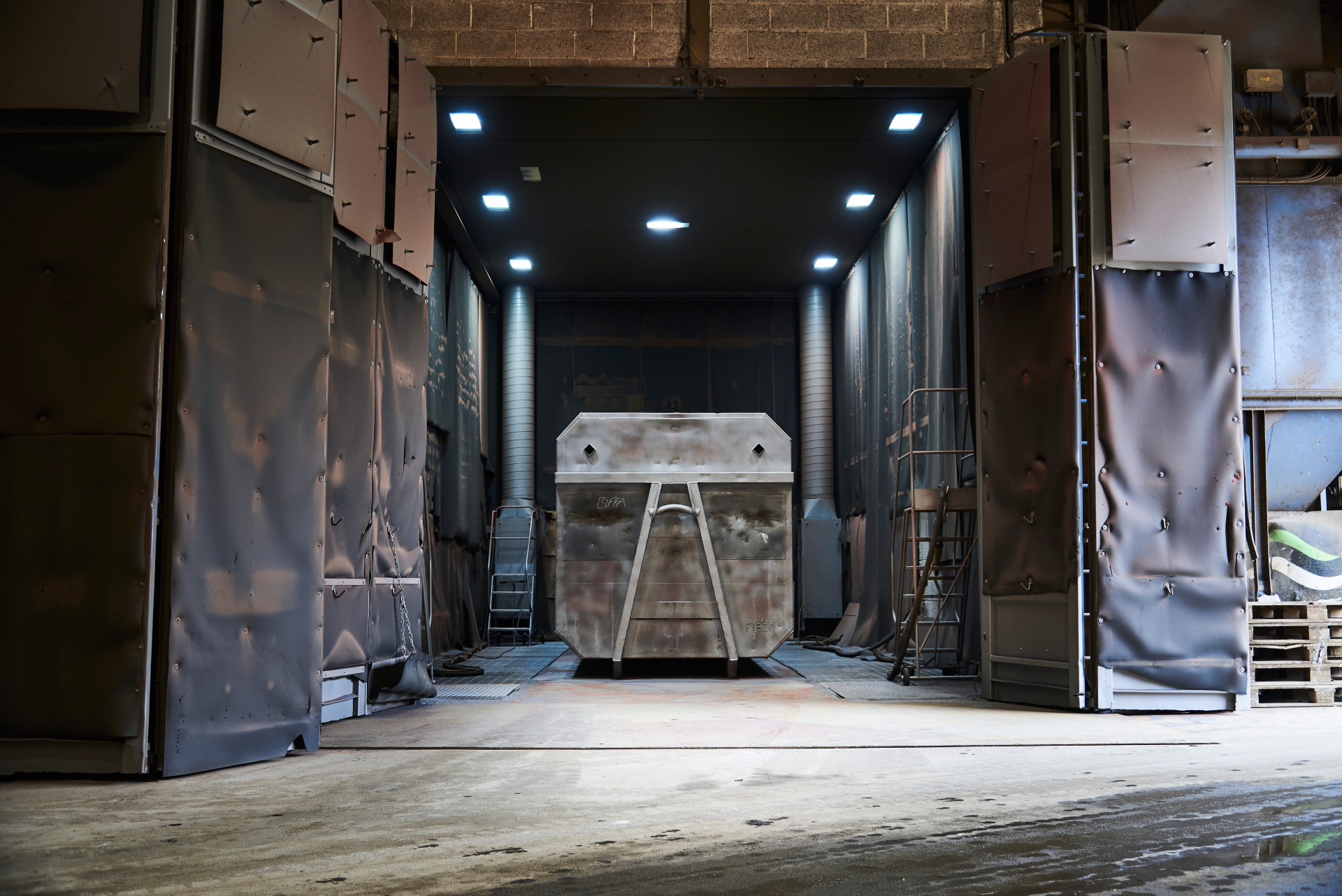
Refurbishing waste containers is a smart way to maintain brand identity while being cost-effective and environmentally responsible. Instead of replacing old containers, businesses can restore, repaint, and modify them to align with their branding, ensuring a consistent and professional appearance.
Benefits of Refurbishing Waste Containers
Brand Consistency
Fresh paint, logos, and modifications keep containers looking sharp and aligned with your corporate image.
Sustainability
Extends the lifespan of containers, reducing waste and promoting a circular economy.
Cost Savings
Refurbishing is significantly cheaper than purchasing new containers.
Improved Safety & Functionality
Repairs and upgrades enhance durability, security, and usability.
Companies like Fairport Containers specialize in refurbishing steel waste containers, offering services such as repainting, remodelling, and rebranding